

Anti-Racism
Systems Change & Community Empowerment Initiatives
Anti-Racism Initiative
Advancing educational justice and equitable education-to-employment pathways for Black, Indigenous, and other racialized communities through dialogue, research, and community-informed systems change.
Dialogue
Community engagement that creates room for lived experience, insight, and shared problem-solving.
Research
Applied inquiry that surfaces barriers, patterns, and practical recommendations for action.
Pathways
Systems-focused work that connects school experiences to future opportunity and mobility.
2
FEATURED ANTI-RACISM INITIATIVES
Edmonton
PLACE-BASED SYSTEMS CHANGE FOCUS
Education → Employment
PATHWAY LENS
Why this matters
Racial equity work must reach the systems that shape opportunity.
Skillcity’s Anti-Racism Initiative addresses the structural barriers that affect how racialized youth experience school, guidance, belonging, and access to future pathways.
We focus on the intersection of educational justice, career development, and inclusive community voice because inequities in school often echo into employment, confidence, and long-term economic participation.
Through community dialogues, applied research, and strategic partnerships, we generate insights and action pathways that help move anti-racism from conversation to implementation.
Featured Projects
Dismantling Barriers, Creating Pathways.
2024–2025
Breaking Systemic Barriers for BIPOC Youth in Education Dialogues
A community-rooted anti-racism initiative designed to surface lived experience, strengthen self-advocacy, and generate practical recommendations for more equitable education pathways for Black, Indigenous, and other racialized youth.
FUNDER
Canadian Race Relations Foundation
KEY PARTNERS
Community stakeholders across Edmonton
Educational justice dialogues
Community-informed insights
Self-advocacy and awareness building
WHAT THIS INITIATIVES DOES
-
Convened community dialogues centered on educational justice and systemic barriers affecting BIPOC youth.
-
Created space for youth, families, educators, and community voices to inform solutions grounded in lived experience.
-
Supported advocacy through dialogue, community engagement, and practical anti-racism resources.
Strategic relevance
This initiative helped establish a community-facing foundation for anti-racism work by creating dialogue spaces, surfacing lived experience, and building momentum around educational justice.
2026
Pathways Unlocked: Equitable Career Guidance for Racialized Students
An applied research and systems-change initiative examining how racialized students experience career guidance, pathway advising, and access to high-skilled futures across the education-to-employment system in Edmonton.
Community-engaged research
Policy and practice insights
Education-to-employment systems recommendations
WHAT THIS INITIATIVES DOES
FUNDER
City of Edmonton
KEY PARTNERS
Colbourne Institute for Inclusive Leadership (CIIL)
NorQuest College
Strategic relevance
This initiative extends that foundation into focused systems inquiry linking educational experiences, pathway advising, and career guidance to more equitable long-term outcomes for racialized students.
-
Explores educational and career barriers experienced by racialized students in grades 9–12 and their families.
-
Examines the role of educators, career guidance counsellors, and pathway advisors in shaping pathway access and outcomes.
-
Seeks practical strategies to strengthen equitable access to education, career development, and STEM-related pathways.
How we work
Our anti-racism approach is designed for insight, trust, and practical change.
Community-rooted
We work with not on communities, centering lived experience, trust, and shared ownership in how problems are defined and addressed.
Systems-focused
Our anti-racism work looks beyond symptoms to the policies, practices, narratives, and decision points that shape educational and career inequities.
Action-oriented
We translate dialogue and research into tools, recommendations, and partnerships that can inform better pathways and more equitable outcomes.
2021 and 2022 Report & Snapshot
View the full reports and snapshots from 2021 and 2022 below:
2021 Report & Snapshot

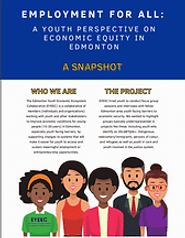
2022 Report & Snapshot

